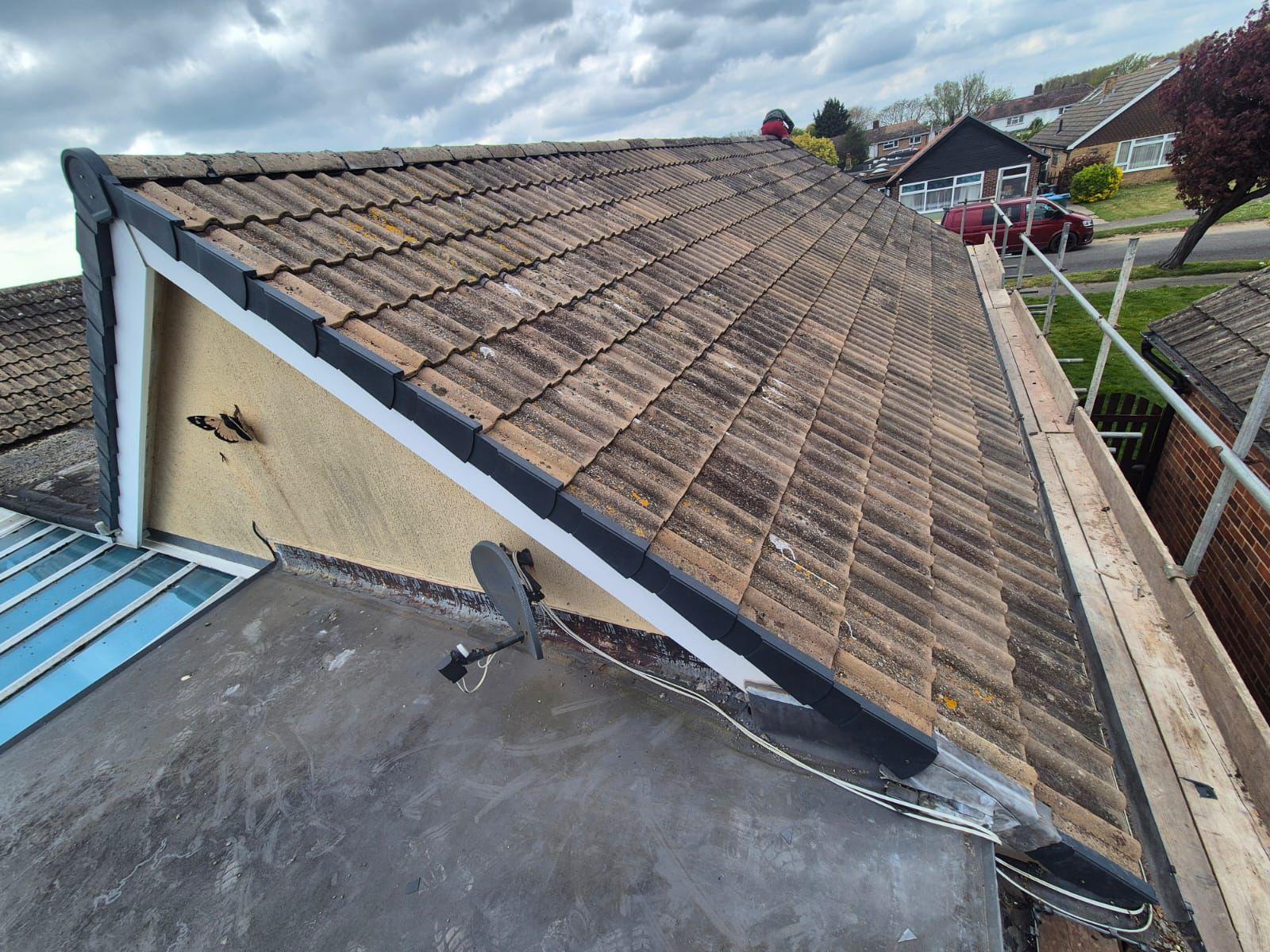
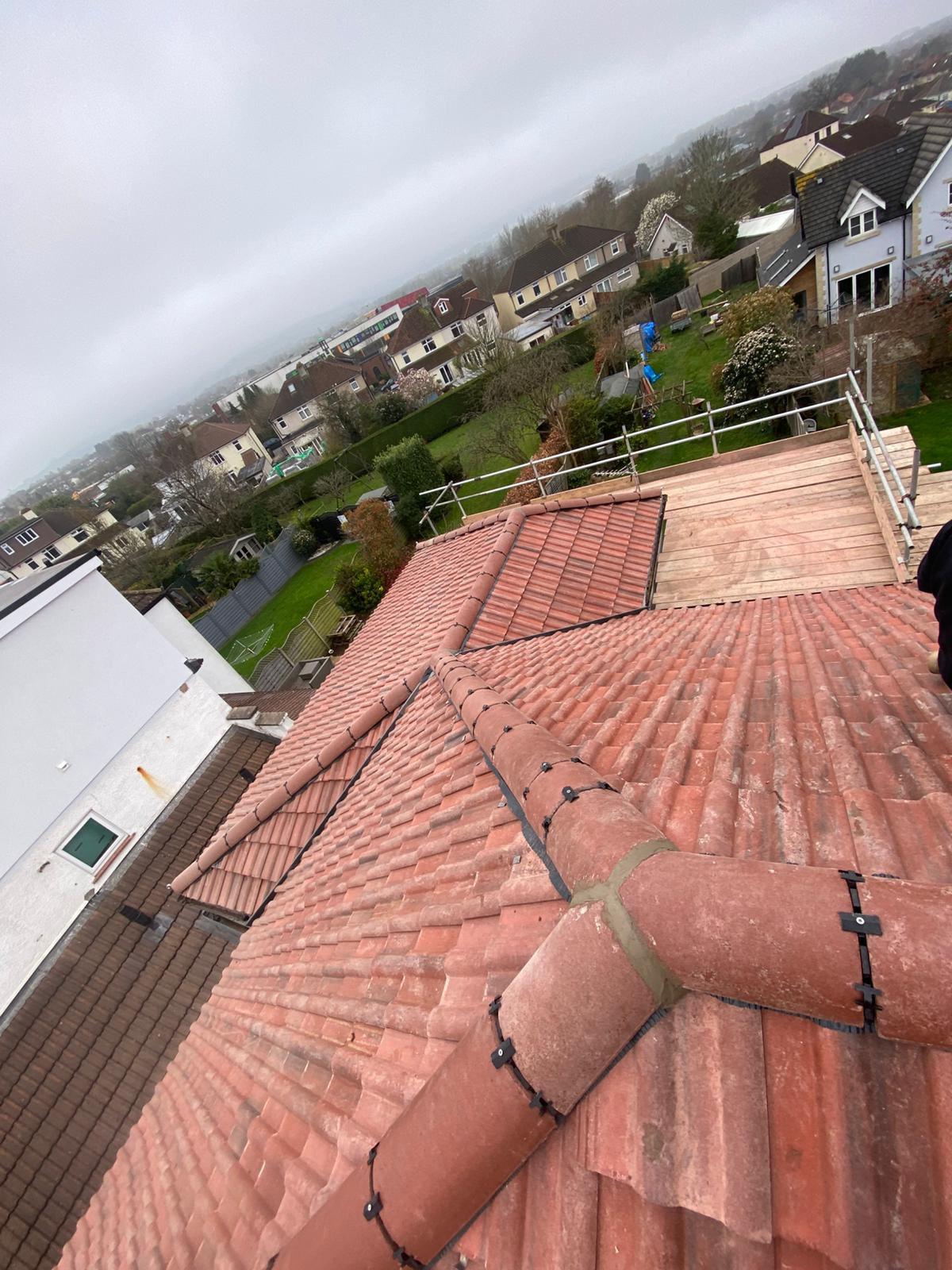
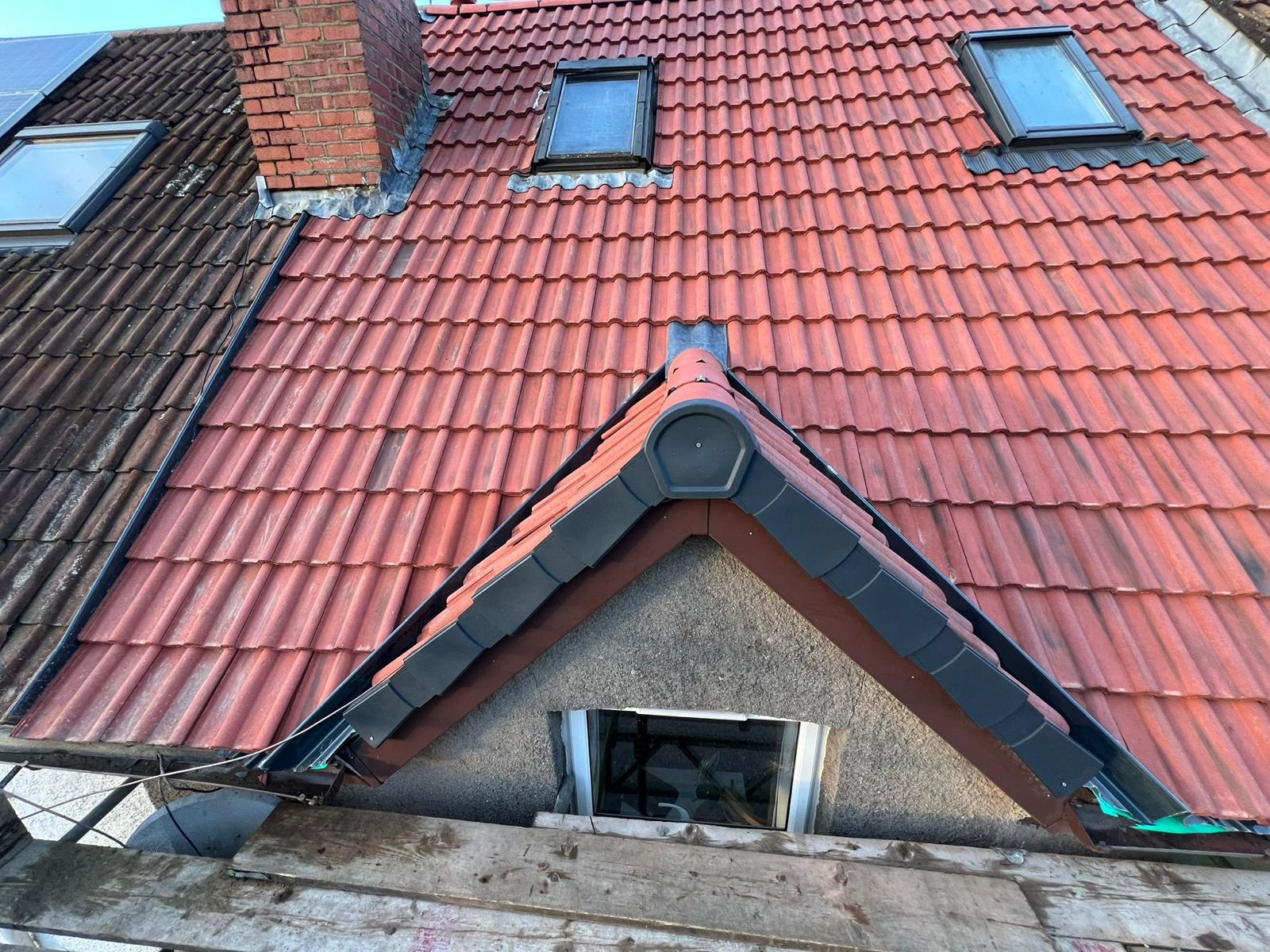
The first signs of lead flashing failure often include damp patches on ceilings, water stains near chimneys, loose or lifted flashing, cracked mortar joints, visible splits in the lead and small roof leaks after heavy rain. Identifying these warning signs early can help homeowners and businesses avoid more extensive roof damage and costly repairs.


Most homeowners rarely think about their roof until something goes wrong. Whilst roof tiles and slates often receive the most attention, some of the most important components are hidden in plain sight. Lead flashing is one of them.Installed around chimneys, roof junctions, valleys, dormer windows and other vulnerable areas, lead flashing forms a watertight barrier that prevents rainwater from entering your property. Without it, even a well constructed roof would be vulnerable to leaks.Like every roofing material, lead flashing eventually begins to age. Exposure to changing temperatures, strong winds, heavy rainfall and decades of expansion and contraction can all affect its performance. Fortunately, the earliest signs of lead flashing failure are often easy to recognise if you know what to look for.Understanding these warning signs allows property owners to arrange repairs before a minor issue develops into a much more expensive problem. Whether you own a family home, rental property or commercial premises, early intervention can save both time and money.In this guide, the roofing specialists at Taylor Made Roofs explain how to identify the first signs of lead flashing failure, what causes these issues and when it is time to seek professional advice.
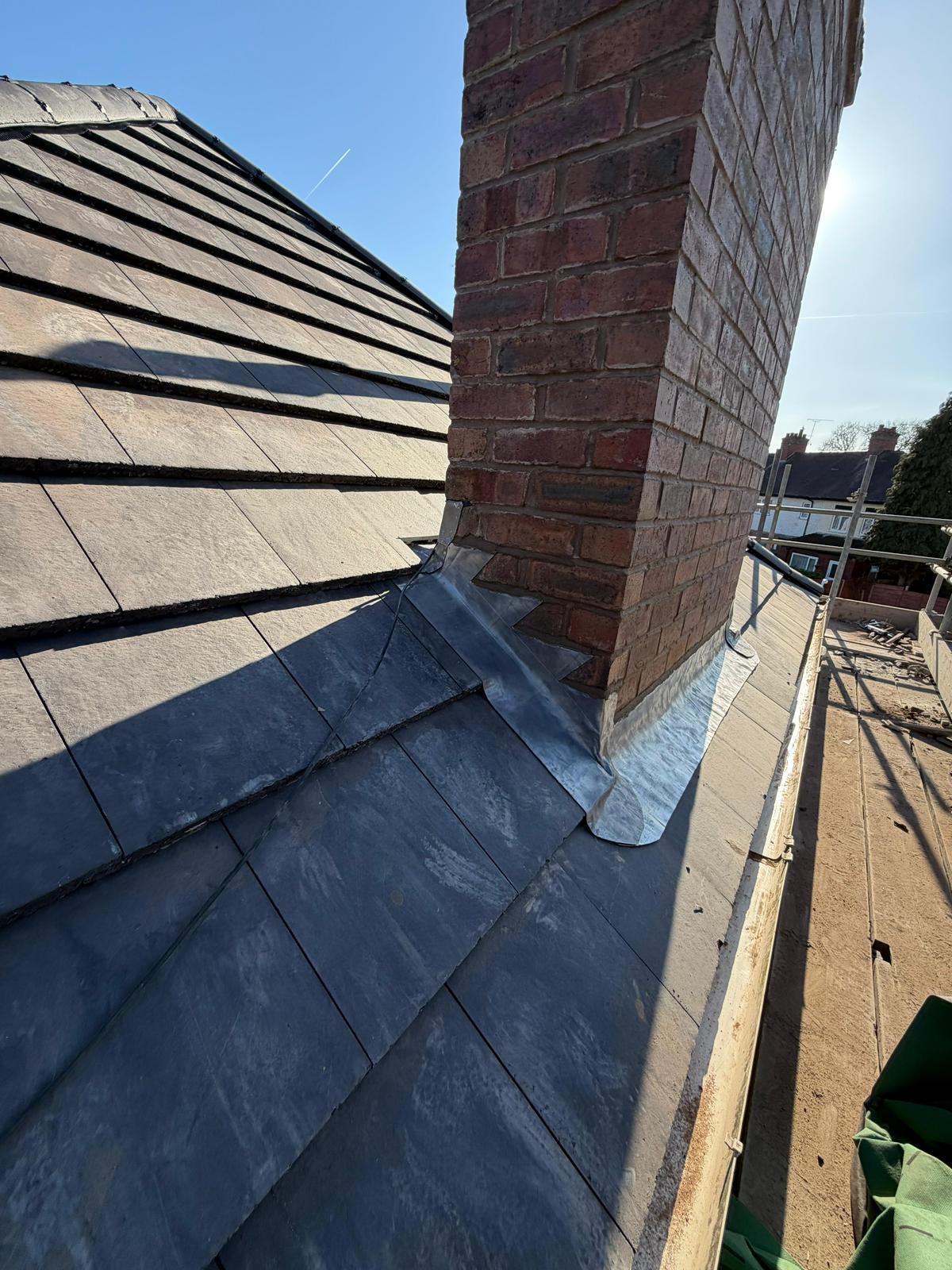
Lead flashing is a thin sheet of lead installed wherever two roofing surfaces meet or where the roof joins another part of the building. Its purpose is simple but essential. It prevents rainwater from penetrating gaps that would otherwise allow moisture into the structure of the property.
You will commonly find lead flashing around:
Lead has been used in roofing for centuries because it offers exceptional durability, flexibility and weather resistance. When installed correctly using recognised industry standards, quality lead flashing can often protect a roof for many decades.
However, even the highest quality lead will eventually deteriorate if it becomes damaged, poorly installed or simply reaches the end of its lifespan.

Many roof leaks do not begin because of broken tiles or missing slates. Instead, they develop around the roof's weakest points where different materials meet. These areas naturally experience greater movement as buildings expand and contract throughout the seasons.Lead flashing accommodates this movement whilst maintaining a waterproof seal. It protects timber roof structures, insulation, ceilings and internal walls from moisture.Without effective flashing, rainwater can slowly enter the property without being noticed. By the time damp patches appear inside, water may already have caused significant hidden damage within the roof structure.This is why professional roof inspections always include a careful assessment of the condition of the lead work.
Lead flashing rarely fails without warning. In most cases, several early symptoms appear before serious water ingress develops.Recognising these signs allows repairs to be carried out whilst the problem remains relatively straightforward.
One of the most noticeable warning signs is the appearance of damp patches or brown staining on ceilings or walls, particularly around chimney breasts or upper floor rooms.These marks often indicate that water is finding its way beneath the flashing before travelling into the property. Although the leak may appear small, it should never be ignored.Early investigation can prevent moisture from spreading into insulation, timber roof structures and decorative finishes.
Because chimneys are one of the most common locations for lead flashing, dampness around the chimney breast often points towards flashing failure.You may notice:Peeling wallpaper. Bubbling paint. Damp plaster. Musty smells. Dark staining.Whilst condensation can sometimes produce similar symptoms, damp that worsens after rainfall often indicates a roofing issue that requires professional inspection.
Lead should sit securely against the roof and adjoining brickwork.Over time, weather exposure can cause sections to lift or separate. Strong winds may worsen the problem by allowing rainwater to penetrate beneath the flashing.If you notice lifted edges from ground level or during a safe visual inspection, it is sensible to arrange a professional assessment before further damage occurs.
Lead flashing is often secured into mortar joints known as chases.As buildings naturally move over time, the surrounding mortar can crack or crumble. These gaps create pathways for rainwater to enter behind the flashing.Cracked mortar is often one of the earliest signs that maintenance is required. Fortunately, repointing may resolve the issue if the lead itself remains in good condition.
Although lead is extremely durable, decades of expansion and contraction eventually place stress on the material.
Small splits may begin to appear, particularly if the flashing has been installed incorrectly or restricted from moving naturally.
Even tiny cracks can allow significant amounts of water into the roof over repeated periods of rainfall. Early repairs are usually far less expensive than replacing damaged structural timbers later.

It is easy to dismiss a small stain on the ceiling or a minor leak after heavy rain, particularly if the problem appears to disappear once the weather improves. Unfortunately, lead flashing failure rarely resolves itself. In fact, it almost always becomes worse over time.As water continues to penetrate the roof, moisture can spread into the roof structure, insulation and internal finishes. What may have started as a straightforward flashing repair can eventually develop into widespread damage that requires far more extensive work.One of the greatest concerns is that water often travels before becoming visible inside the property. By the time damp patches appear on ceilings or walls, moisture may already have affected roof timbers and insulation.Ignoring failing lead flashing can result in:Persistent roof leaks. Rotting roof timbers. Damp and mould growth. Damaged ceilings and plasterwork. Reduced insulation performance. Higher repair costs. Internal decoration requiring replacement.For businesses, the consequences can be even more significant. Water ingress may interrupt day to day operations, damage stock or equipment and create an unsafe environment for employees and visitors.Addressing the problem early is almost always the most economical approach.

Not every problem requires complete replacement. In many cases, timely repairs can restore the effectiveness of lead flashing and extend its lifespan for many more years.A professional roofer will assess the overall condition of the lead before recommending the most appropriate solution.Repairs may be suitable when:Only small sections have lifted. Mortar joints require repointing. Minor cracks have formed. Individual pieces have become loose. The surrounding roof remains in good condition.However, replacement is often the better option if the lead has reached the end of its lifespan or has suffered extensive deterioration.Replacement may be recommended when:Large splits are visible. Multiple repairs have previously been carried out. The lead has become excessively worn. Poor installation has caused repeated failures. Water ingress is occurring across several areas.Choosing the right solution depends on the age of the roof, the condition of the flashing and the extent of the damage. An experienced roofing specialist will always recommend the option that provides the best long term value.
Taylor Made Roofs provides reliable roofing services for homeowners and businesses throughout Dorset and the South Coast.
Whether you require a small lead flashing repair or a more extensive roofing project, the team takes pride in delivering high standards of workmanship alongside honest advice and excellent customer service.
Every property is different, which is why every inspection begins with a careful assessment of the roof’s condition. Rather than recommending unnecessary work, Taylor Made Roofs focuses on practical solutions that provide lasting protection and genuine value.
Their services include:
With extensive experience working across Dorset and the South Coast, Taylor Made Roofs understands the challenges that coastal weather can present and delivers roofing solutions designed to stand the test of time.
Lead flashing is one of the most important components of any roof, yet it is often overlooked until problems appear indoors.By recognising the early signs of lead flashing failure, including damp patches, loose flashing, cracked mortar and small leaks, you can arrange repairs before water causes more extensive structural damage.If you suspect your roof may require attention, a professional inspection offers peace of mind and helps prevent unnecessary repair costs in the future.Taylor Made Roofs provides expert lead flashing repairs, roof inspections and comprehensive roofing services for homeowners and businesses across Dorset and the South Coast. If you have noticed signs of lead flashing failure or would simply like your roof professionally assessed, contact the friendly team today for expert advice and dependable workmanship.