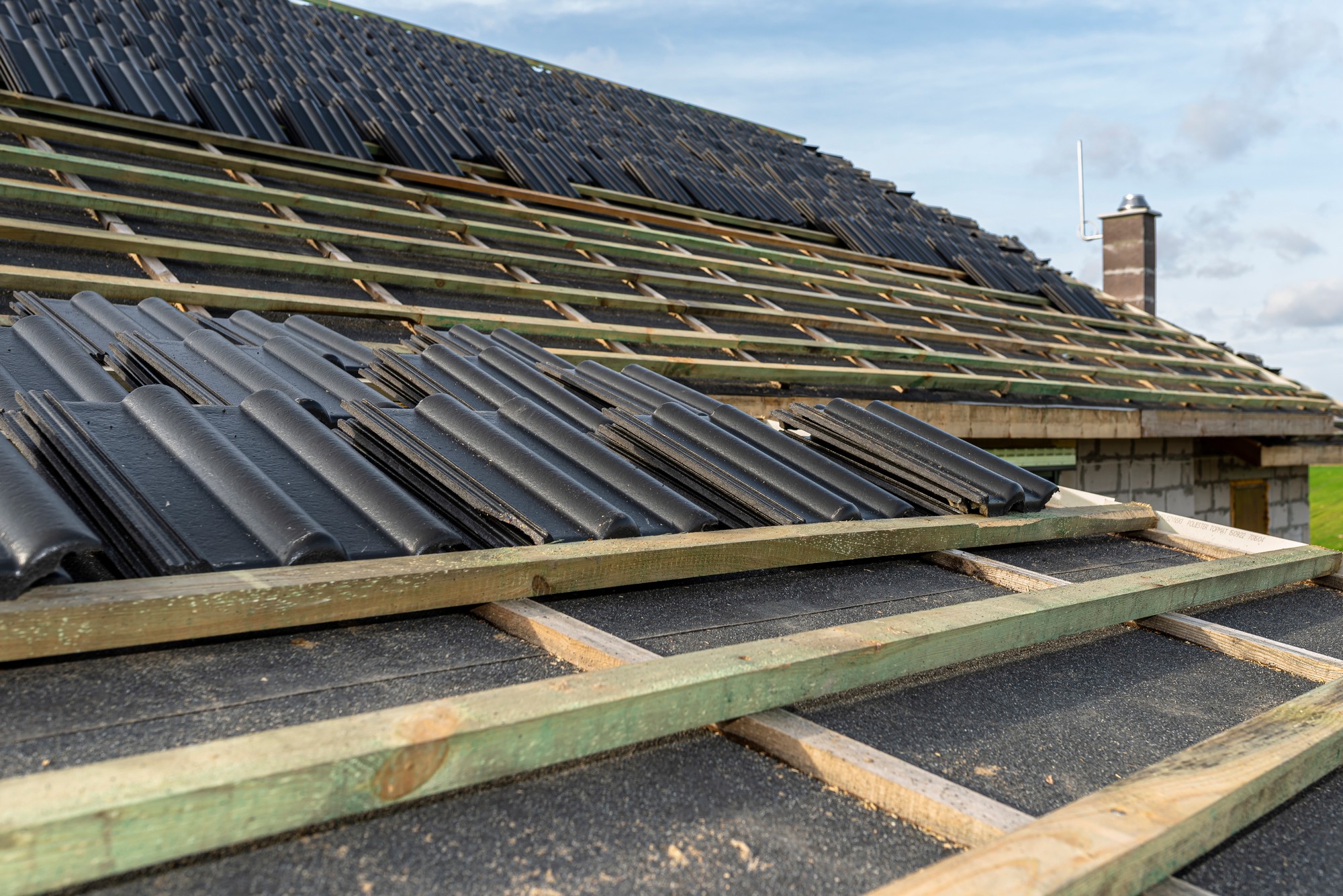
Dry ridge systems provide a secure, weather resistant and low maintenance alternative to traditional mortar bedding. They improve roof ventilation, comply with modern British Standards, withstand severe weather more effectively and eliminate many of the common issues associated with cracked or deteriorating mortar, making them an increasingly popular choice for homes across Dorset and the South Coast.
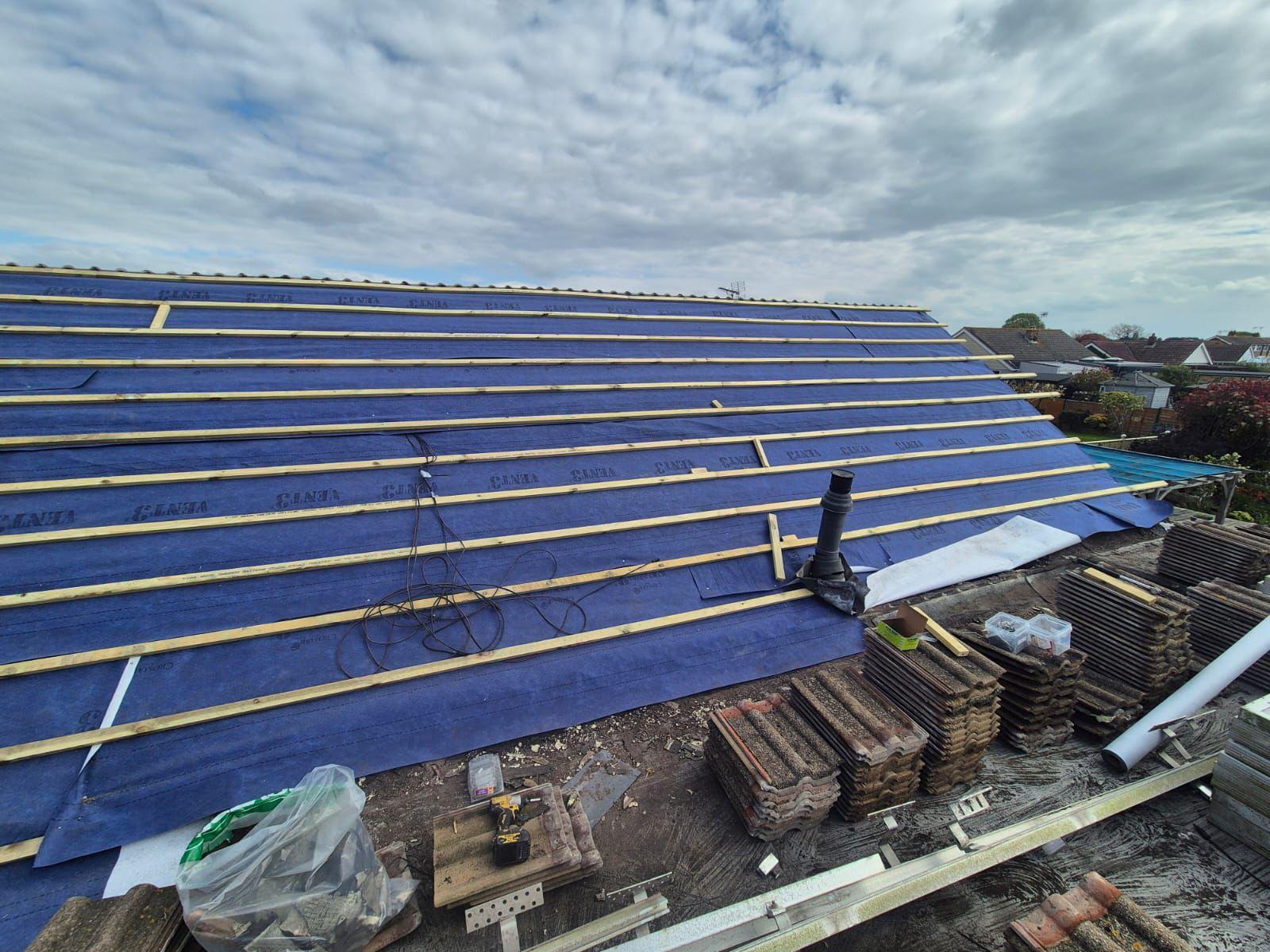
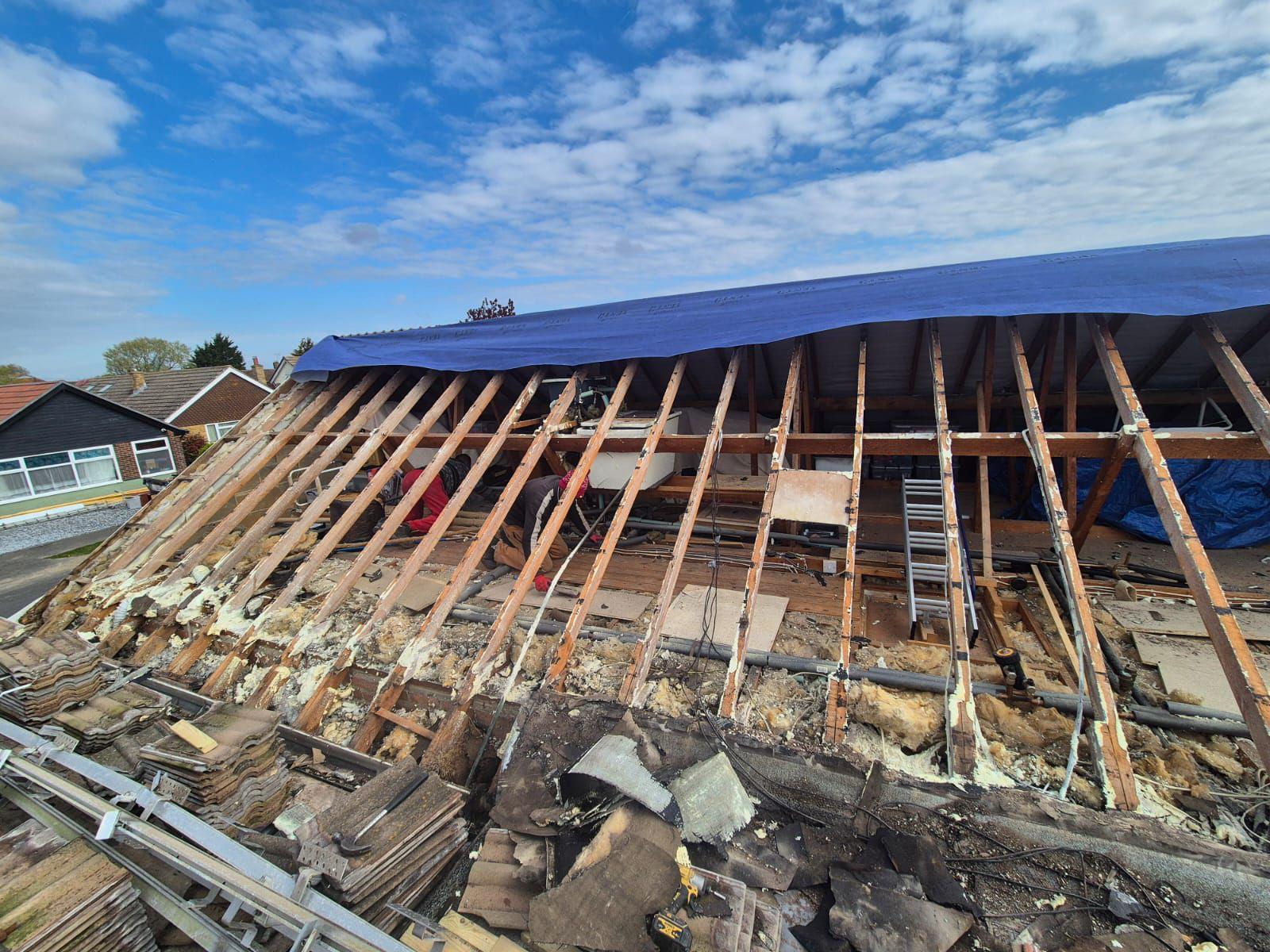
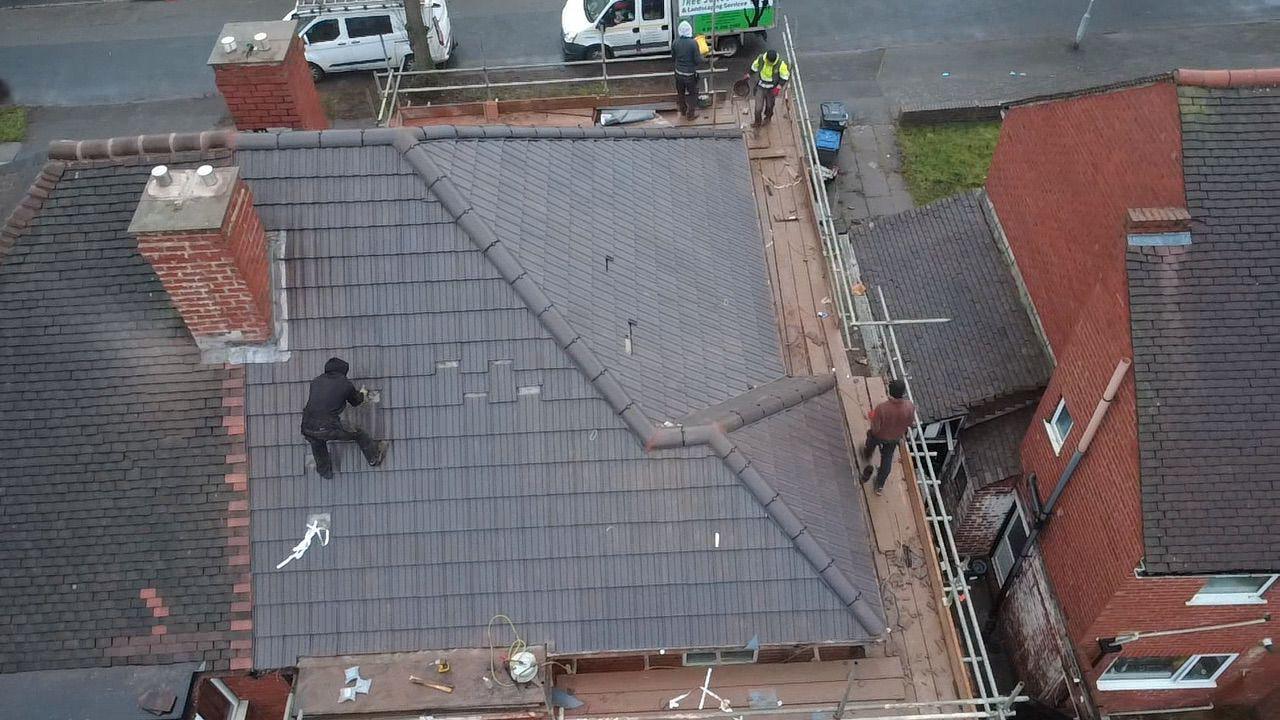
For decades, mortar was the accepted method of securing ridge tiles to pitched roofs across the United Kingdom. It was a familiar sight on homes throughout Dorset and the South Coast, providing a neat finish whilst holding ridge tiles firmly in place. However, roofing technology has advanced considerably, and many homeowners are now choosing dry ridge systems as a longer lasting and more reliable solution.If you have noticed cracked mortar, loose ridge tiles or recurring repair bills, you may be wondering whether replacing your traditional ridge with a dry ridge system is worthwhile. In many cases, the answer is yes. Dry ridge systems offer numerous advantages, from improved durability and ventilation to greater resistance against increasingly unpredictable British weather.Whether you own a traditional cottage in Dorset, a modern family home along the South Coast or a commercial property requiring ongoing roof maintenance, understanding the differences between mortar and dry ridge systems can help you make a well informed decision.

A dry ridge system is a mechanical method of fixing ridge tiles to the highest point of a pitched roof without relying on wet mortar. Instead, specially designed brackets, clamps, screws and ventilation membranes securely fasten each ridge tile whilst allowing controlled airflow beneath them.Unlike mortar, which hardens and can eventually crack over time, a dry ridge system remains flexible and secure. The components work together to accommodate slight movements within the roof structure whilst maintaining a strong weatherproof seal.Modern dry ridge systems are manufactured from durable materials designed to withstand years of exposure to rain, frost, strong winds and ultraviolet light.
Traditional ridge construction relies on a sand and cement mortar mix to bed each ridge tile along the roof apex.
Initially, this creates a solid and attractive finish. However, roofs are constantly exposed to changing temperatures, moisture, wind loading and natural structural movement.
Over time, mortar begins to deteriorate.
Common issues include:
Although skilled repairs can extend the lifespan of mortar ridges, repeated patch repairs often become more expensive than investing in a modern dry ridge system.
Several factors have contributed to the growing popularity of dry ridge systems across Dorset and the South Coast.Homeowners are increasingly looking for roofing solutions that require less maintenance whilst providing greater protection against extreme weather.
One of the greatest strengths of dry ridge systems is their ability to cope with the British climate.Properties across Dorset regularly experience:Heavy rainfall Coastal winds Salt laden air Freezing winter temperatures Summer heat Seasonal stormsThese conditions place enormous stress on traditional mortar.Every cycle of freezing and thawing causes small amounts of movement. Eventually, tiny cracks develop before growing larger each year.A dry ridge system avoids this problem because the ridge tiles are mechanically secured rather than depending upon a rigid mortar bond.This flexibility allows the roof to respond naturally to changing conditions without compromising its structural integrity.
Strong winds are one of the most common causes of ridge tile failure.Once mortar begins to weaken, powerful gusts can loosen individual ridge tiles. This creates a significant safety hazard, particularly on taller buildings or exposed coastal properties.Dry ridge systems are specifically designed to provide secure mechanical fixings that resist uplift forces far more effectively.Every ridge tile is individually fixed using engineered components that distribute loads evenly across the roof structure.For homeowners living near the Dorset coastline, where high winds are more common, this additional security offers valuable peace of mind.
Many homeowners become frustrated by repeatedly repairing cracked mortar every few years.Traditional ridge maintenance often includes:Repointing cracked joints Replacing loose mortar Rebedding ridge tiles Emergency repairs after stormsEach repair involves labour costs, scaffolding and disruption.Dry ridge systems significantly reduce these ongoing maintenance requirements.Because there is no mortar to crack or erode, routine inspections generally focus on ensuring the mechanical fixings remain secure rather than carrying out continual repairs.This makes dry ridge systems a sensible long term investment.
Improved Roof VentilationVentilation plays a vital role in maintaining a healthy roof structure.Warm, moist air naturally rises into the roof space.Without adequate ventilation, condensation can develop beneath the roof covering.Over time this may contribute to:Damp timber Reduced insulation performance Mould growth Timber decayDry ridge systems include continuous ventilation beneath the ridge tiles.This controlled airflow allows moisture to escape naturally whilst preventing rainwater from entering the roof.Improved ventilation helps protect the roof structure and may extend the lifespan of roofing materials.
Durability is another significant advantage.
Although well constructed mortar can last many years, its lifespan depends heavily upon weather exposure, workmanship and ongoing maintenance.
Dry ridge systems are manufactured using corrosion resistant materials specifically designed for long term external use.
When professionally installed, they often continue performing effectively for decades with very little intervention.
This long service life makes them particularly attractive for homeowners looking to minimise future roofing costs.

Many people assume dry ridge systems are only suitable for newly built homes.In reality, they can often be installed when replacing an ageing mortar ridge on an existing roof.This makes them an excellent upgrade for properties experiencing recurring mortar problems.During a professional roof inspection, an experienced roofing contractor can assess whether the existing ridge tiles can be reused or whether replacement tiles would provide the most effective long term solution.Upgrading at the right time can prevent further deterioration whilst improving both the performance and appearance of the roof.
Installing a dry ridge system requires careful preparation and should always be completed by an experienced roofing contractor.
The process generally includes:
Every roof is different, so the exact installation process will depend on its size, age and condition. A professional installation ensures the system performs as intended for many years.
Traditional mortar has served British roofs for generations, but modern roofing technology has introduced a more durable and dependable alternative.Dry ridge systems provide improved weather resistance, enhanced ventilation, reduced maintenance and greater long term value. Their mechanically fixed design allows roofs to withstand natural movement and severe weather far more effectively than ageing mortar.If your ridge tiles are showing signs of deterioration or you are planning a roof replacement, upgrading to a dry ridge system could be one of the best investments you make in your property.With expert installation from Taylor Made Roofs, you can enjoy greater peace of mind knowing your roof is built to withstand the challenges of the British climate for many years to come.