A damaged roof has a habit of making itself known at the worst possible moment. One small leak during heavy rain can quickly become stained ceilings, damp loft insulation, mould growth, and costly structural problems. Across Dorset, homeowners are already seeing the effects of increasingly unpredictable weather, with strong coastal winds and prolonged rainfall putting extra pressure on ageing roofs.
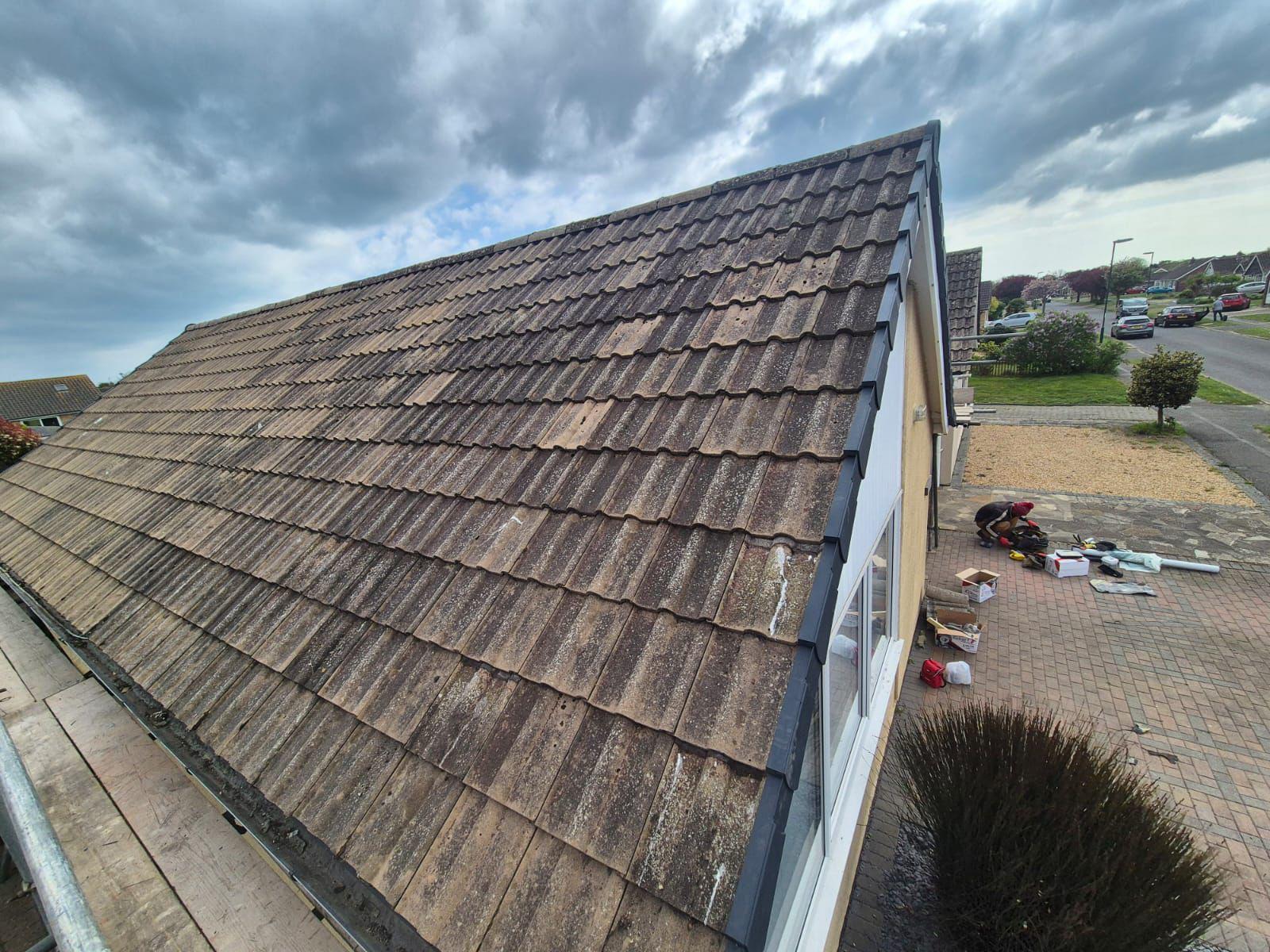
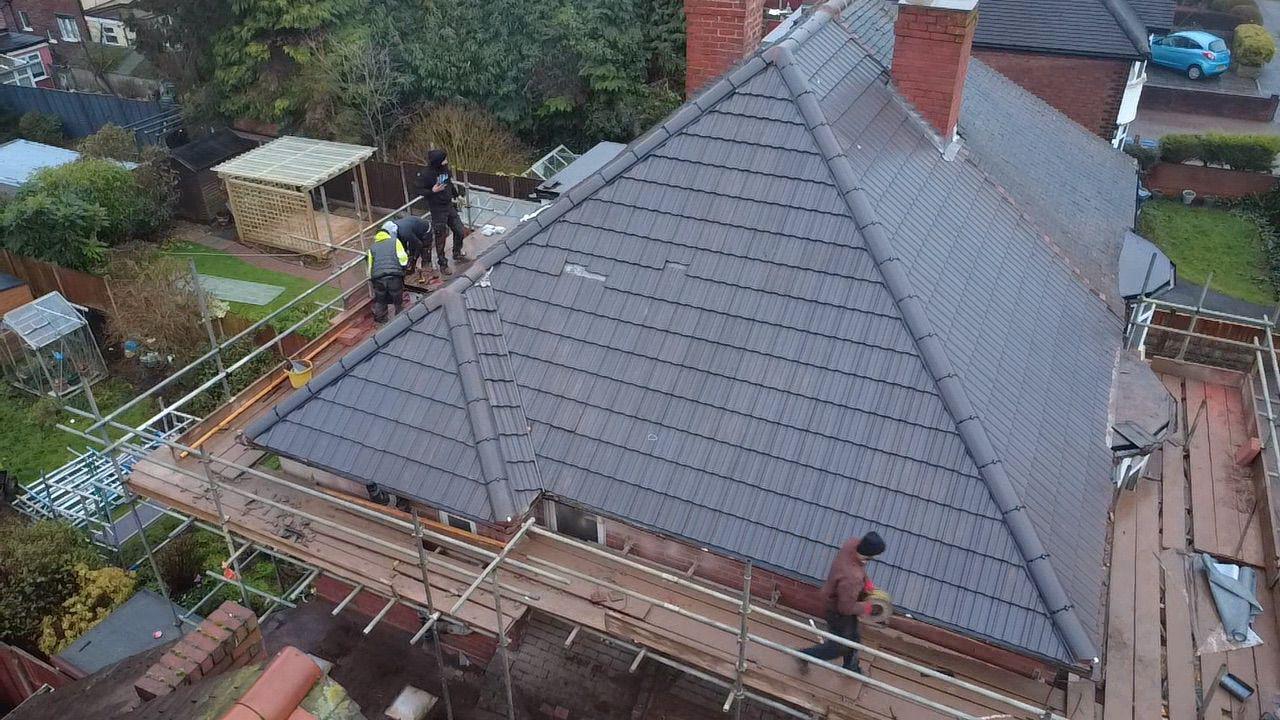
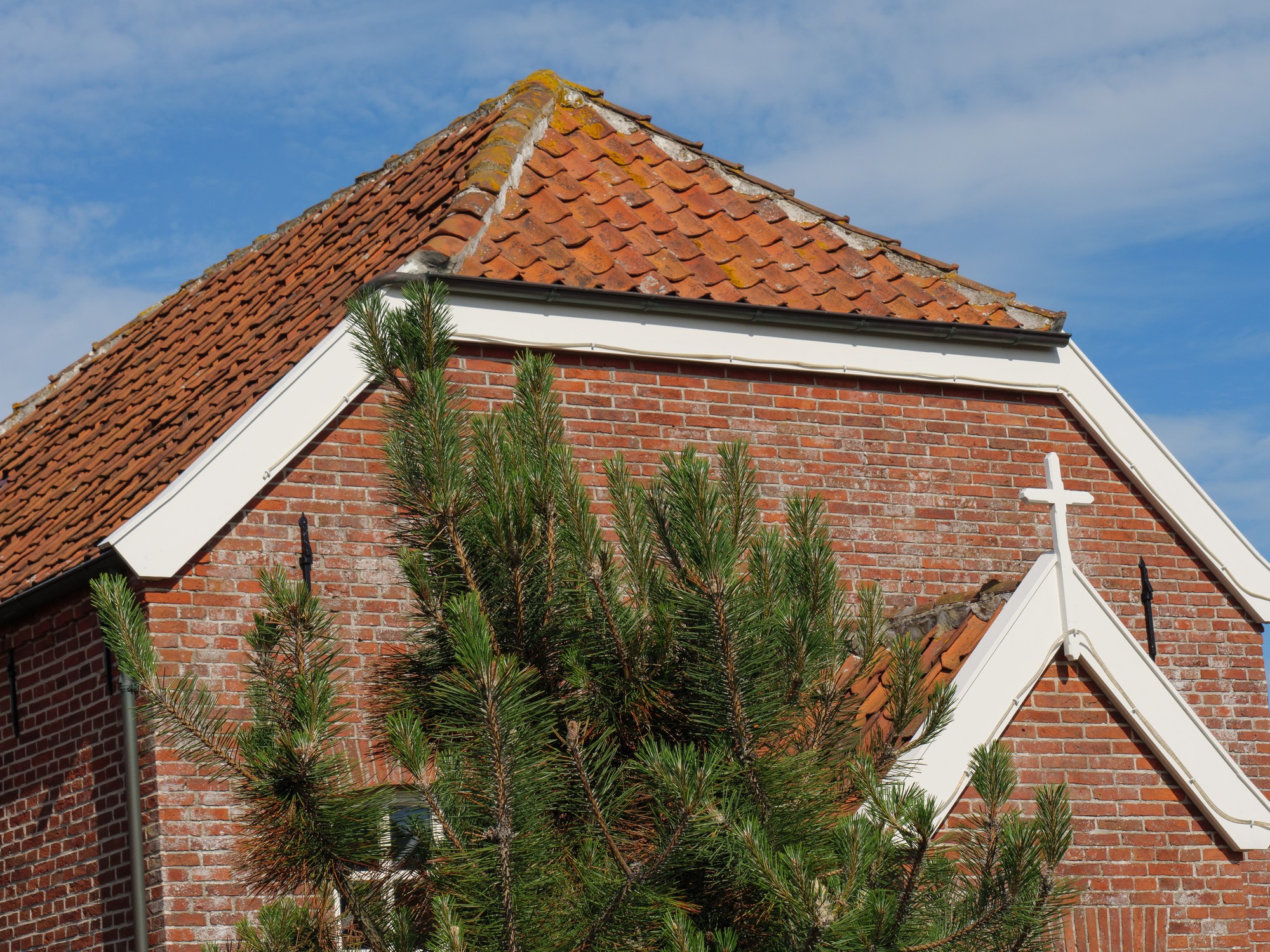
In 2026, roof repair costs have risen across the UK due to higher material prices, labour shortages, and increased demand for experienced roofing contractors. While some repairs remain relatively affordable, delaying work almost always leads to larger bills further down the line. A slipped tile that might cost a few hundred pounds to repair today could eventually require a partial roof replacement if water is allowed to penetrate the structure beneath.For homeowners in Bournemouth, Poole, Christchurch, Weymouth, and the wider Dorset area, understanding roofing costs before problems escalate can make a significant difference financially. Whether you are dealing with storm damage, a leaking flat roof, cracked ridge tiles, or an ageing roof nearing the end of its lifespan, knowing what to expect in 2026 helps you plan ahead with confidence.At Taylor Made Roofs, we regularly help Dorset homeowners with everything from emergency roof repairs to full roof replacement projects. In this guide, we explain what affects roofing costs in 2026, average repair prices, when replacement becomes the smarter investment, and how preventative maintenance can save thousands over time.
No two roofing jobs are ever entirely alike. The final cost depends on several important factors, many of which homeowners understandably overlook at first glance.
Different roofing materials require different levels of expertise and replacement costs. Slate roofs, for example, are often more expensive to repair than standard tiled roofs because the materials themselves are costlier and specialist workmanship is usually required.Flat roof repairs also vary considerably depending on whether the roof uses felt, EPDM rubber, GRP fibreglass, or another modern system.
A small isolated issue is naturally far cheaper to resolve than widespread structural deterioration. If water has already penetrated beneath the roofing surface, additional repairs may be required to timber battens, insulation, or roof decking.
Properties with difficult access often require scaffolding or specialist safety equipment. Taller homes and awkward roof angles can increase labour time considerably.
Emergency roof repairs are generally more expensive because they require immediate response, often outside standard working hours or during severe weather conditions.

Leaks remain one of the most common roofing issues throughout Dorset, especially in older properties exposed to coastal weather. The challenge with leaks is that the visible water inside the property is rarely the true source of the problem. Water can travel significant distances beneath roofing materials before appearing indoors.Early intervention is essential. A minor leak repaired promptly may cost only a few hundred pounds, whereas prolonged water ingress can result in major structural damage.

Flat roofs continue to be popular across extensions, garages, and commercial buildings throughout Dorset. However, standing water and weather exposure can lead to cracks, blistering, or membrane failure over time.Modern flat roofing systems are far more durable than older felt roofs, though repairs still require specialist attention to ensure long term waterproofing.

Dorset properties frequently experience strong winds during winter months, particularly in exposed coastal areas such as Weymouth and Bournemouth. Storm damage can include lifted tiles, damaged flashing, blocked gutters, and even fallen debris puncturing roofing materials.Emergency repairs following storms are increasingly common, particularly as weather patterns continue becoming more unpredictable.

Roofing emergencies are stressful, particularly during heavy rain or strong winds. Unfortunately, many homeowners delay calling for help in the hope that the problem will improve on its own.It rarely does.A small opening in the roof can allow water into insulation, electrics, ceilings, and timber structures within hours. Fast action often prevents significantly larger repair bills.Common emergency roofing issues include:Sudden roof leaks Missing tiles after storms Fallen tree damage Collapsed gutters Damaged flashing Flat roof puncturesAt Taylor Made Roofs, emergency roof repairs are treated with urgency because rapid intervention protects both the property and the people inside it.
Preventative maintenance remains one of the most effective ways to reduce roofing costs over time. Small problems identified early are usually straightforward and affordable to repair.
Homeowners should consider arranging regular roof inspections, particularly after winter storms or periods of severe weather.
Simple preventative measures include:
Regular maintenance not only protects your property but can significantly extend the lifespan of the roof itself.
Roof repair costs in 2026 continue to rise, but delaying repairs almost always proves more expensive. Whether the issue involves a small leak, storm damage, cracked tiles, or an ageing roof approaching the end of its lifespan, acting early protects both your home and your finances.For Dorset homeowners, choosing experienced local roofing contractors remains one of the most important decisions you can make. Quality workmanship, professional inspections, and long lasting materials provide peace of mind that cheaper temporary fixes rarely achieve.At Taylor Made Roofs, we provide trusted roof repairs, emergency callouts, and roof replacement services throughout Dorset, including Bournemouth, Poole, Christchurch, Weymouth, Ferndown, and Wimborne.If you are concerned about the condition of your roof, now is the ideal time to arrange a professional inspection before minor issues become major problems.