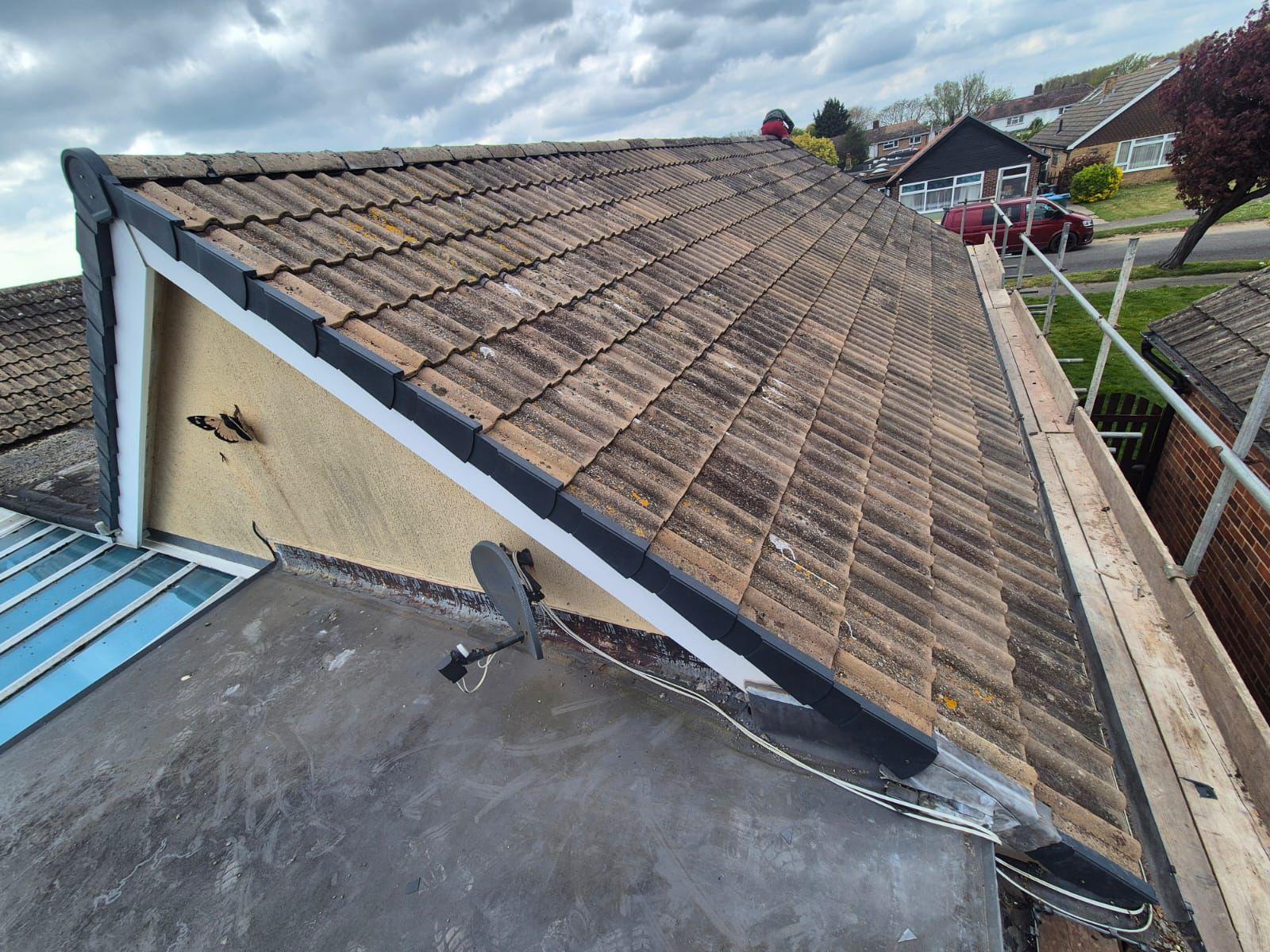
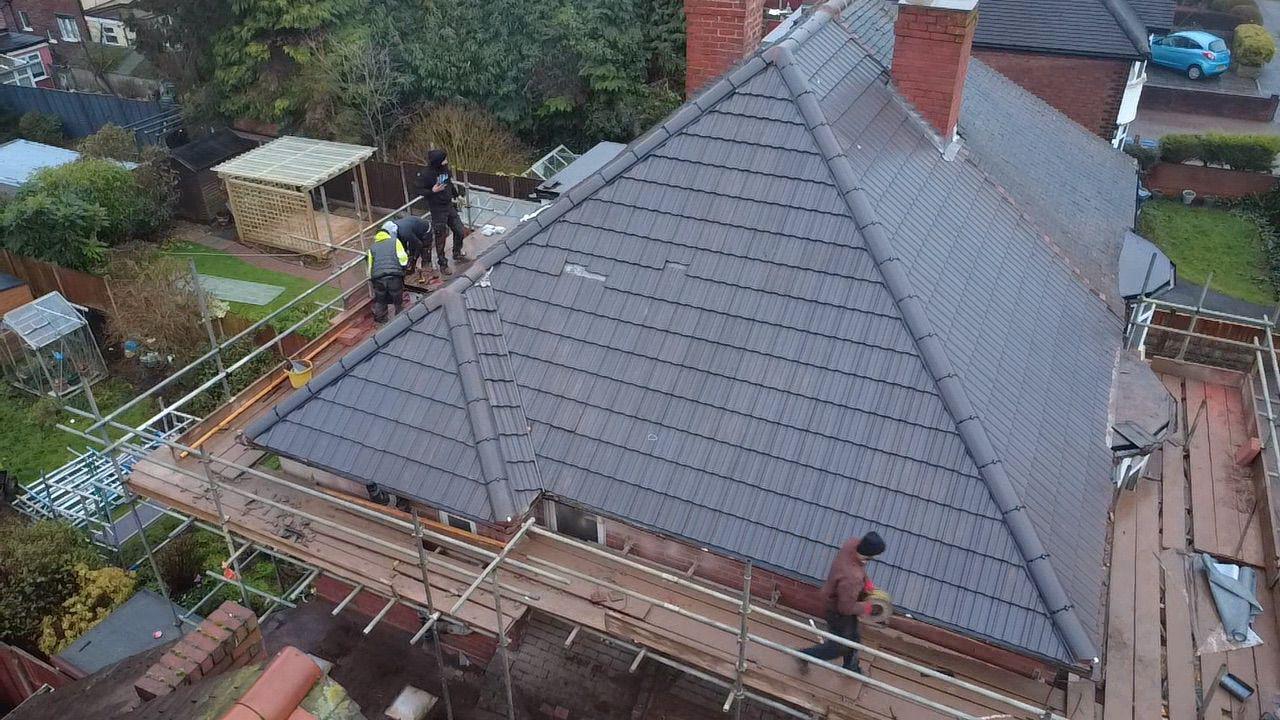
Slate roofs have long been admired for their beauty, durability and exceptional lifespan. A well installed slate roof can protect a home for more than a century, making it one of the most reliable roofing materials available. However, even the strongest roofs are not immune to the forces of nature. Across Dorset and the South Coast, periods of high winds and severe storms can place significant pressure on roofing materials, leaving homeowners wondering whether their slate roof has been compromised.The good news is that slate itself is remarkably resilient. The concern lies not only with the slates but also with the fixings, ridge tiles, flashing and supporting structure that hold everything securely in place. Understanding how high winds affect slate roofs allows homeowners to identify problems early and arrange professional repairs before minor damage develops into a far more costly issue.High winds can loosen, crack or dislodge individual slates by placing pressure on the roof surface and its fixings. Wind can also damage ridge tiles, flashing and roof edges, allowing water to enter the property. Regular inspections following severe weather help identify problems before they become major repairs.
Although slate is one of the strongest roofing materials available, every roof functions as a complete system rather than a collection of individual tiles. Each slate relies on secure fixings, correctly installed battens and precise overlaps to withstand years of changing weather conditions.
When strong winds pass over a property, they create areas of both positive and negative pressure. As wind strikes one side of the roof, it can simultaneously create uplift on another. This uplift attempts to lift slates away from the roof covering. If fixings have weakened through age, corrosion or previous storm damage, individual slates may begin to move.
Once a single slate becomes loose, neighbouring slates can quickly become vulnerable. This creates a domino effect that may expose the underlay and roof structure to rainwater, leading to internal damp, timber decay and more extensive repairs.
Homes situated along the South Coast are particularly exposed due to frequent coastal winds, especially during autumn and winter storms.
Many homeowners assume the slate itself is the weakest component, but this is often not the case. Several elements of the roofing system can be affected by prolonged exposure to strong winds.
Individual slates can crack, slip or become completely detached if fixings fail or wind uplift exceeds the strength of the installation.Natural slate is exceptionally durable, but like any natural material, it can become more susceptible to movement as roofs age.
The ridge forms the highest point of the roof and receives the full force of prevailing winds.Mortar bedding can deteriorate over time, allowing ridge tiles to loosen or become unstable during severe weather.
Lead flashing protects vulnerable junctions around chimneys, valleys and roof abutments.Powerful gusts may lift poorly secured flashing, creating small gaps through which rainwater can enter the property.
Roof edges experience the greatest wind uplift because air naturally accelerates as it moves around the building.These exposed areas often suffer the first signs of storm damage.
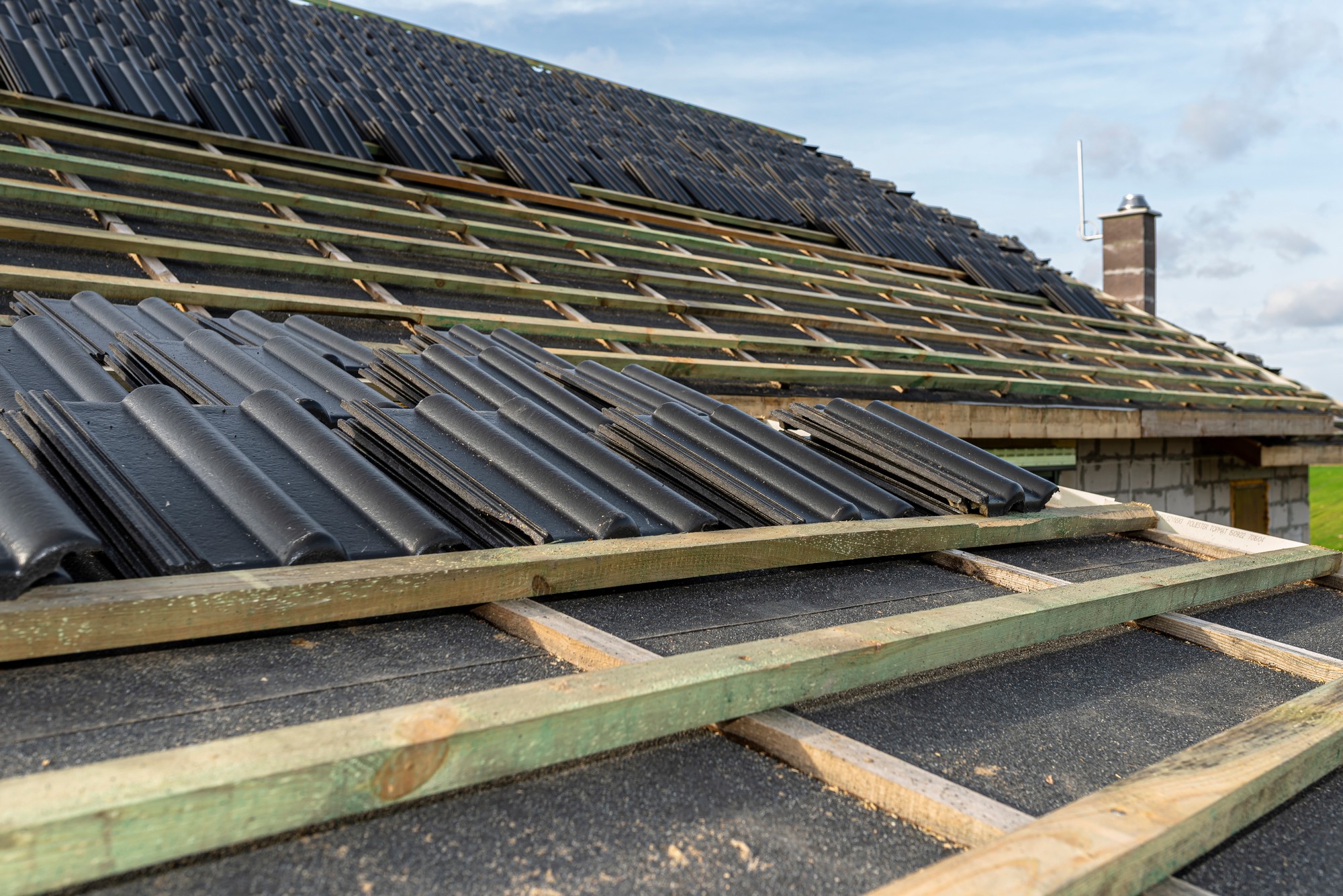
It can be tempting to dismiss a single missing slate as a minor issue, particularly if no leaks are immediately visible. However, every missing slate leaves the roof less protected than before.Rainwater can penetrate beneath surrounding slates, soaking the roofing felt and timber battens. Moisture may gradually spread through loft insulation and structural timbers before becoming visible inside the home.Meanwhile, neighbouring slates lose part of the support provided by the missing piece. Future storms may therefore remove additional slates far more easily.Addressing isolated damage promptly is almost always considerably less expensive than repairing widespread water damage months later.
Following a period of particularly windy weather, carrying out a simple visual inspection from ground level can help identify obvious warning signs.
Common indicators include:
It is important never to climb onto a roof following storm damage. Slates can become unstable, making access extremely dangerous without the correct safety equipment.
Instead, arrange for a qualified roofing specialist to carry out a professional inspection.
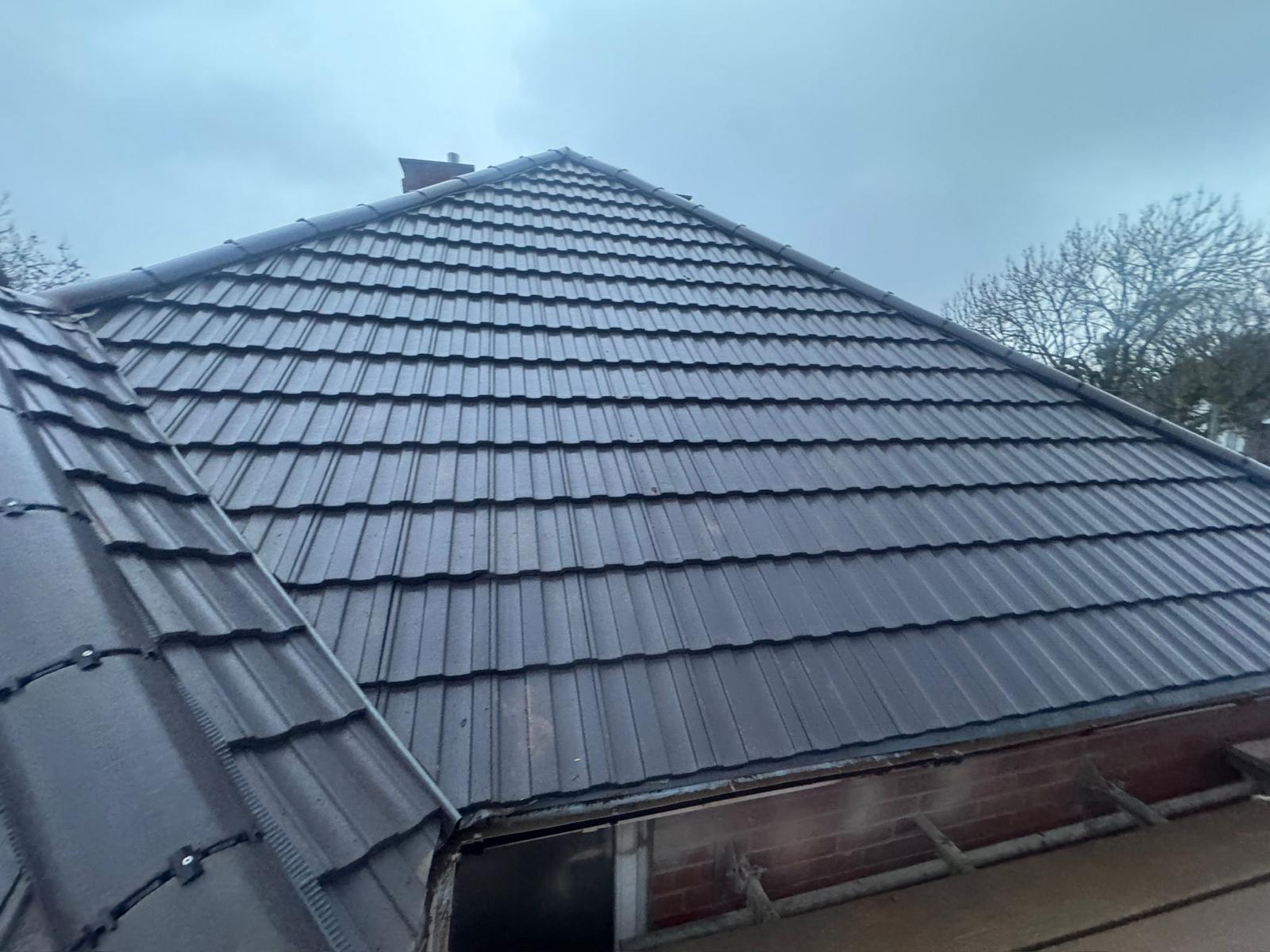
Not necessarily. However, arranging an inspection is highly recommended after particularly severe weather, especially if your property is older or has previously experienced roofing issues.Many forms of wind damage remain invisible from ground level. Hairline cracks, loosened fixings and minor movement may not cause immediate leaks but can gradually worsen over subsequent months.A professional inspection provides reassurance that your roof remains weatherproof and can identify minor repairs before they become emergency call outs.For homeowners living along the Dorset coastline and wider South Coast, preventative inspections are often one of the most cost effective ways of extending the lifespan of a slate roof.
While no roof can be made completely immune to severe weather, regular maintenance can significantly reduce the likelihood of expensive repairs. Many cases of storm damage occur because small issues have gone unnoticed for months or even years before high winds expose underlying weaknesses.
Simple preventative measures can make a considerable difference to the long term performance of a slate roof.
These include arranging periodic roof inspections, replacing damaged or slipped slates promptly, checking the condition of ridge tiles and flashing, ensuring gutters remain clear of debris and addressing any signs of water ingress as soon as they appear.
Keeping trees well maintained can also help reduce the risk of branches striking the roof during periods of strong winds.
Professional maintenance not only helps preserve the appearance of a slate roof but also protects the structure beneath it from unnecessary wear.
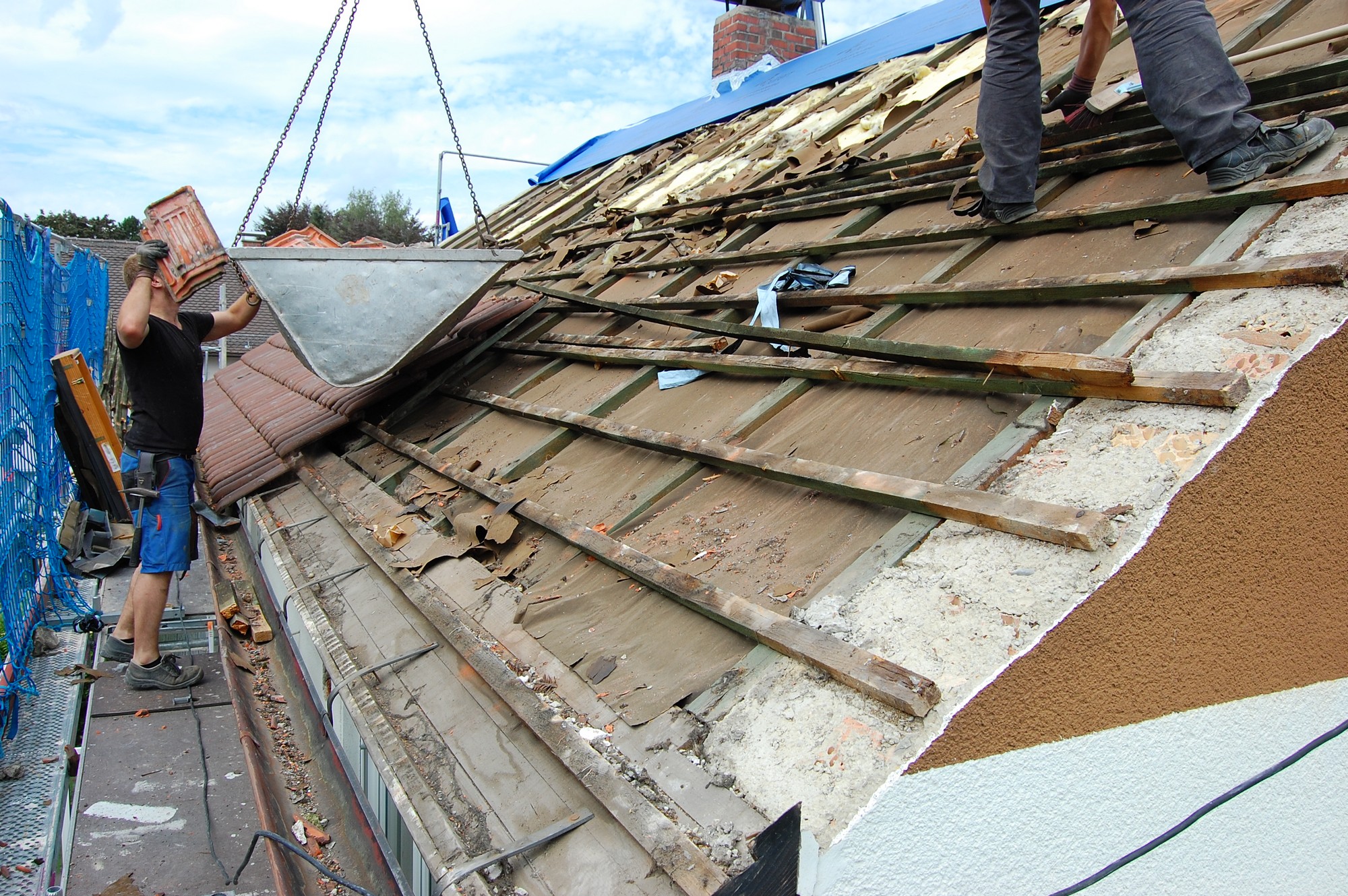
If you suspect your roof has been affected by high winds, taking the right steps quickly can prevent further deterioration.Begin by inspecting your property safely from ground level. Look for missing slates, damaged ridge tiles or debris that may have fallen from the roof. Inside the home, check the loft for signs of water ingress, damp insulation or daylight visible through the roof covering.Avoid attempting repairs yourself. Walking on a slate roof without the correct equipment and experience can easily crack additional slates and presents a significant safety risk.If pieces of slate have fallen into the garden or onto neighbouring land, keep the area clear until the roof has been professionally assessed.Contact an experienced roofing contractor as soon as possible. Temporary repairs can often be carried out quickly to prevent further water ingress while permanent repairs are arranged.Acting promptly often prevents what would have been a straightforward repair from developing into widespread structural damage.
In many cases, yes.
Most buildings insurance policies provide cover for storm damage, although the exact level of protection varies between insurers.
Insurance providers will generally expect homeowners to demonstrate that the roof had been properly maintained before the storm occurred. If damage is found to have resulted from long term neglect rather than exceptional weather, a claim may not be successful.
For this reason, professional inspections and regular maintenance records can prove valuable.
If your roof has suffered storm damage, avoid making permanent repairs until your insurer has advised you how to proceed, unless emergency work is required to prevent further damage to the property.
Photographs taken immediately after the storm and a professional roofing report can also support your claim.
A slate roof remains one of the most attractive and durable roofing choices available, but even the highest quality materials can be affected by prolonged exposure to strong winds and severe weather.Recognising the warning signs early, arranging regular inspections and carrying out timely repairs are the most effective ways to protect your property and avoid more expensive structural damage in the future.If your home has recently experienced high winds, or you have noticed slipped slates, loose ridge tiles or signs of water ingress, seeking professional advice sooner rather than later could prevent a relatively minor repair from becoming a major roofing project.Taylor Made Roofs provides expert slate roof inspections, repairs and maintenance across Dorset and the South Coast. If you have concerns about the condition of your roof following recent storms, contact the team today for honest advice and a professional assessment.