A leaking roof is one of those household problems that many homeowners are tempted to postpone. A small stain on the ceiling or the occasional drip during heavy rain can seem relatively harmless at first glance. Yet what appears to be a minor inconvenience can quickly develop into a serious and costly issue if left unresolved.
The simple answer is yes. A leaking roof can cause significant damage to your home. From weakened structural timbers and mould growth to damaged insulation and electrical hazards, the consequences of a roof leak often extend far beyond the point where the water first enters the property.For homeowners across Bournemouth, Poole, Christchurch, Southampton and the wider South Coast, taking swift action when a leak is discovered can prevent extensive repairs and help protect the value of a property.

Your roof serves as the first line of defence against the elements. It is designed to keep rainwater, wind and moisture outside, safeguarding the structure beneath. Once water breaches that protective barrier, it can travel surprisingly far before becoming visible inside the home.In many cases, the stain you notice on a ceiling is not directly beneath the source of the leak. Water can move along roof timbers, insulation and plasterboard before eventually appearing indoors. By the time visible signs emerge, damage may already have been developing for weeks or even months.This is why professional roof inspections are so important. Identifying the source of a leak early can prevent much larger problems from developing.
Moisture trapped within walls, ceilings and loft spaces creates ideal conditions for mould growth.Mould is not simply an aesthetic concern. It can contribute to respiratory issues and aggravate existing conditions such as asthma and allergies. Young children, older adults and those with compromised immune systems may be particularly affected.Once mould becomes established, remediation can be expensive and disruptive. Addressing the source of the moisture is essential, which is why repairing a leaking roof should always be a priority.Many homeowners are surprised to discover that mould growth can begin relatively quickly following a roof leak, particularly during colder months when ventilation is reduced.
Modern homes rely heavily on effective insulation to maintain comfortable indoor temperatures and minimise energy consumption.When insulation becomes saturated with water, its performance is dramatically reduced. Wet insulation loses much of its thermal efficiency, allowing heat to escape during winter and making it more difficult to regulate indoor temperatures throughout the year.As energy costs continue to rise, even a small reduction in insulation performance can have a noticeable impact on household bills.Replacing damaged insulation is often necessary once a leak has been repaired, adding further expense that could have been avoided through early intervention.
Few homeowners realise that a roof leak can also create serious electrical hazards.Water entering roof voids and wall cavities may come into contact with electrical wiring, lighting circuits and consumer units. This increases the risk of electrical faults, short circuits and, in extreme situations, fire.If you notice water near electrical fittings, light fixtures or wiring, it is important to seek professional assistance immediately. Safety should always take priority over convenience.
Even relatively minor leaks can cause extensive cosmetic damage within a property.Water staining on ceilings is often the first visible sign. As moisture continues to penetrate, homeowners may also notice peeling paint, bubbling plaster, warped woodwork and damaged flooring.Decorative finishes can quickly deteriorate, particularly in bedrooms, living rooms and kitchens where leaks are left unchecked.While cosmetic repairs may seem less serious than structural concerns, the cumulative cost of redecorating affected areas can become substantial.
There are numerous reasons why a roof may begin to leak.
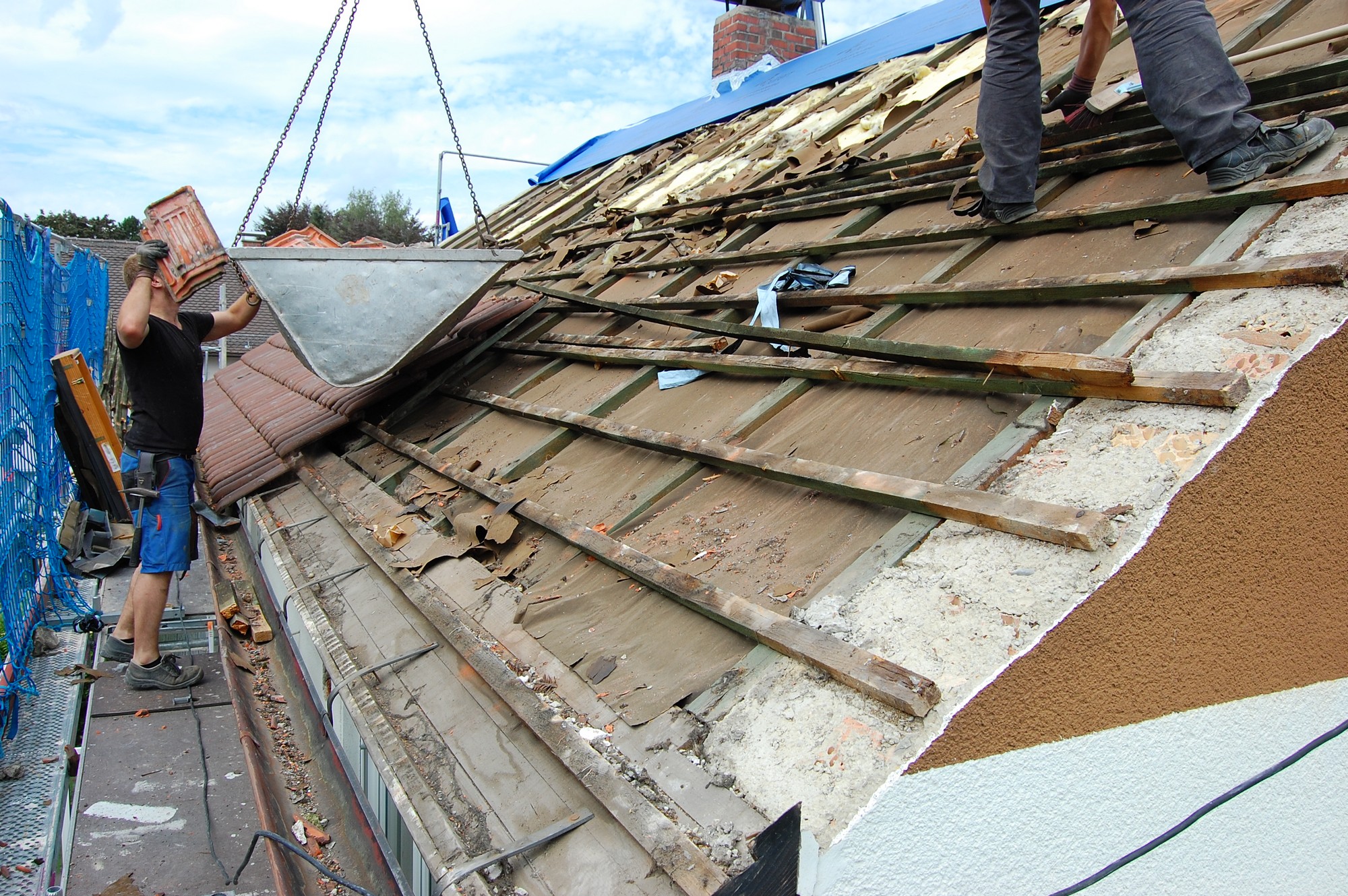
Broken or slipped roof tiles are among the most common causes. Strong winds and stormy weather can dislodge tiles, leaving vulnerable areas exposed to rainwater.
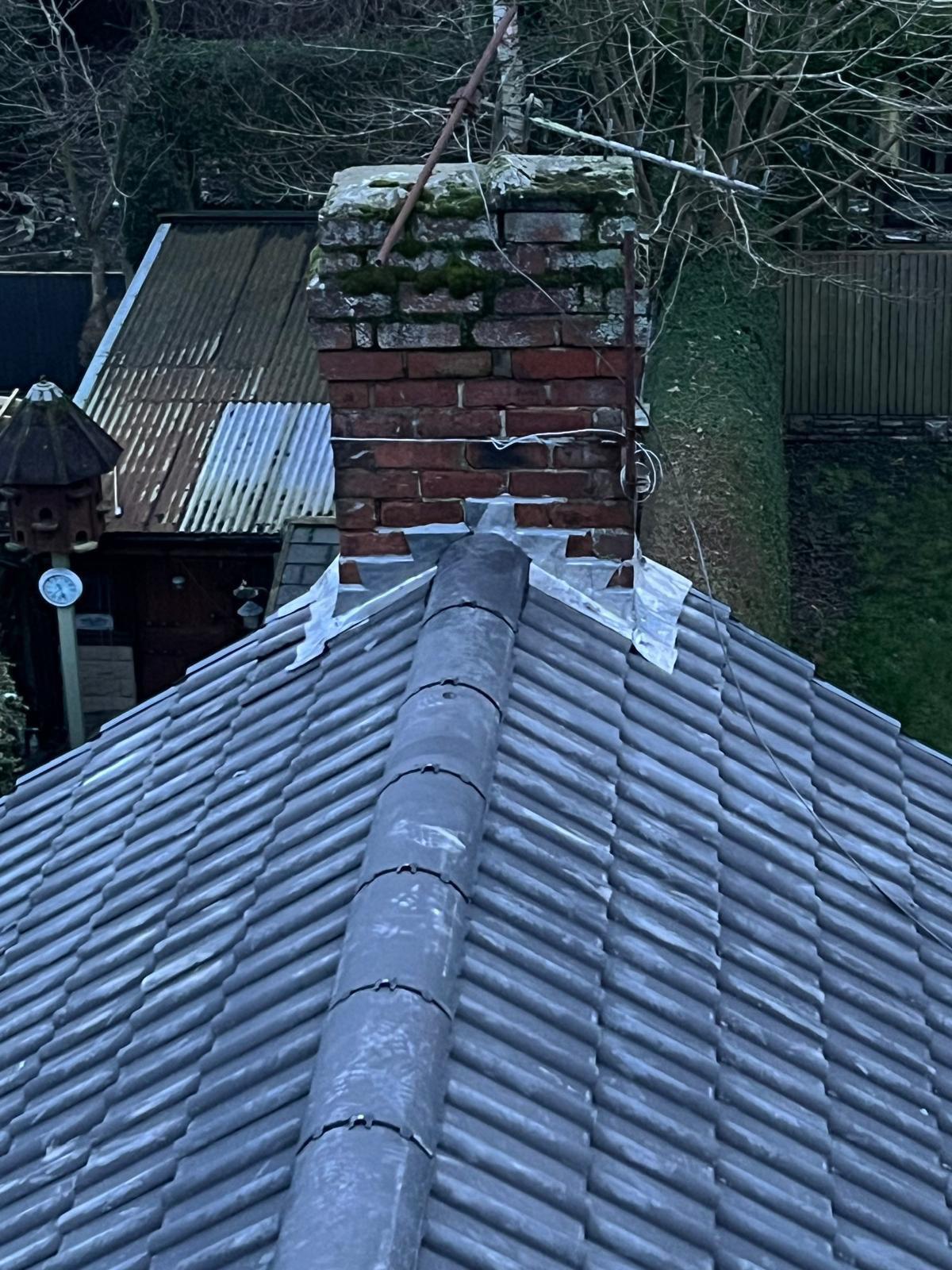
Damaged flashing around chimneys, roof valleys and roof windows is another frequent source of leaks. Over time, flashing materials can deteriorate or become displaced.
Flat roofing systems may also develop issues as they age. Cracks, splits and ponding water can allow moisture to penetrate the roof covering.
Blocked gutters should not be overlooked either. When rainwater cannot drain effectively, it may back up beneath roofing materials and find its way into the property.
Regular roof maintenance plays an important role in preventing these problems from escalating.

Not all leaks announce themselves dramatically.Some warning signs are subtle and easy to miss, including:Water stains on ceilings Damp patches on walls Peeling paint or wallpaper Musty odours Mould growth in loft spaces Missing roof tiles Sagging ceilings Unexplained increases in energy billsIf any of these symptoms are present, a professional roof inspection is strongly recommended.
One of the biggest misconceptions surrounding roof leaks is that they can wait until a more convenient time.
Unfortunately, water damage rarely remains static. Every rainfall has the potential to worsen the problem, increasing repair costs and extending the scope of work required.
A prompt inspection and repair can often prevent minor defects from becoming major structural concerns.
For this reason, experienced roofing professionals consistently advise homeowners to address leaks as soon as they are identified.
A leaking roof should never be dismissed as a minor inconvenience. What begins as a small amount of water entering your home can eventually lead to structural damage, mould growth, damaged insulation, electrical hazards and costly interior repairs.The good news is that most serious problems can be avoided through early detection and prompt action.If you have noticed signs of a leaking roof or simply want peace of mind that your roof remains in excellent condition, contact Taylor Made Roofs today to arrange a professional inspection. Acting now could save you significant time, money and stress in the future.